
Gout: The Silent Storm Raging Inside Men's Joints
Why Black Men Are Bearing the Heaviest Burden — and What You Can Do About It
By Susan L. Hendrix, MHA, Ph.D. CEMPH Foundation
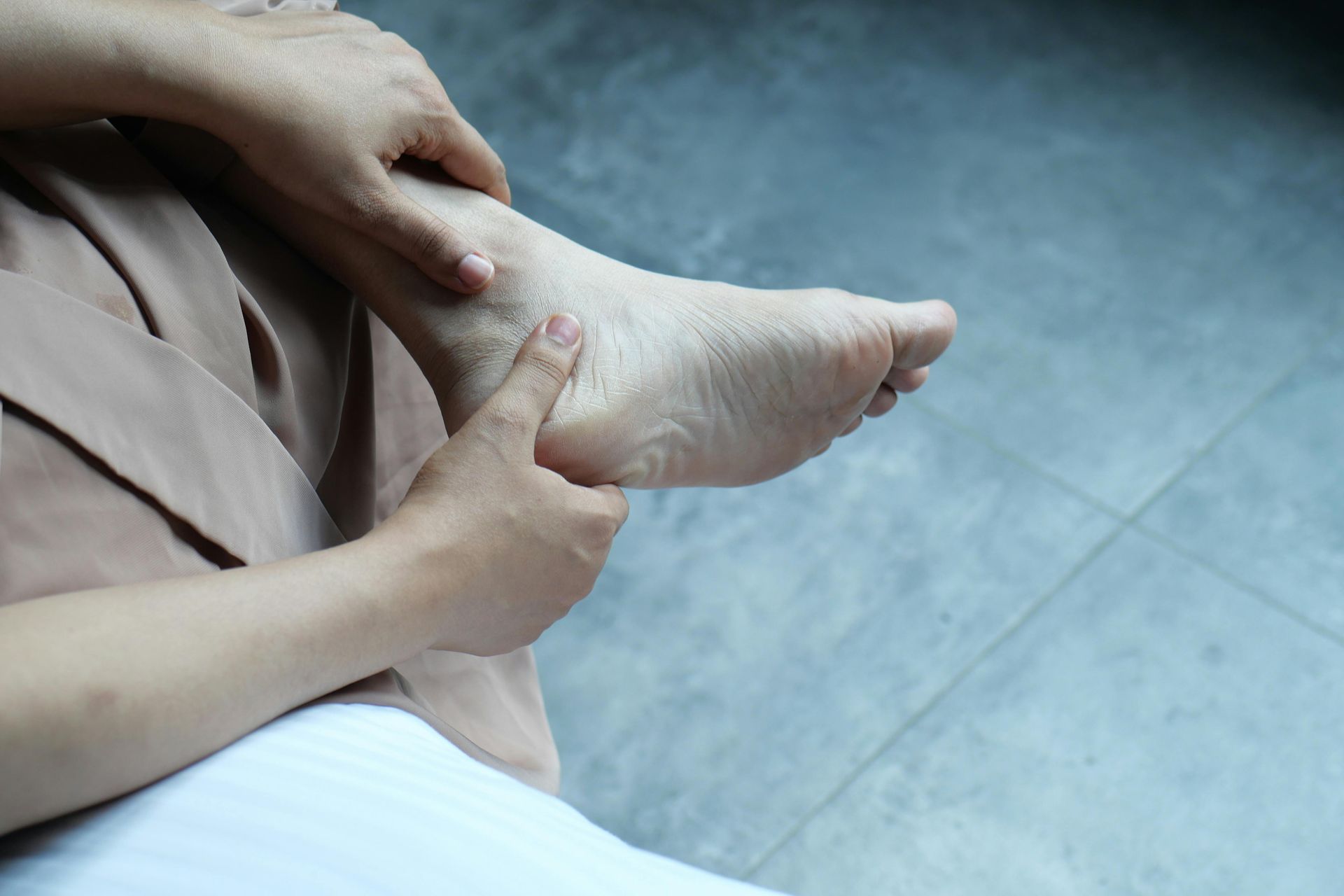
Imagine waking up at 3 a.m. with your big toe on fire. Not a mild ache — a searing, throbbing, unbearable pain so intense that even the weight of a bedsheet is agony. You have not twisted it. You have not injured yourself. You went to bed feeling fine. Yet here you are, unable to walk, wondering what is happening to your body.
This is gout. And if you are a man — especially a Black man — the odds that you will experience this moment are higher than you might think.
🤔 Reflect on This
Have you or someone you know ever been told they have gout — or experienced sudden, intense joint pain with no clear injury? Did you know it could be related to something happening inside your body long before that pain arrived?
What Exactly Is Gout?
Gout is a form of inflammatory arthritis — one of the most painful conditions a person can experience. It occurs when uric acid builds up in the bloodstream, eventually forming sharp, needle-like crystals that deposit in joints. The body's immune system then attacks those crystals, triggering intense inflammation, redness, swelling, and pain that can last days to weeks.
Uric acid is a natural byproduct of the breakdown of purines — compounds found in certain foods and produced by the body. Normally, uric acid dissolves in the blood, passes through the kidneys, and exits the body through urine. But when the body produces too much uric acid, or the kidneys do not excrete enough of it, levels rise — a condition called hyperuricemia. Over time, this excess uric acid can crystallize and settle into joints, tendons, and surrounding tissues.
Why Does Gout Affect Men So Much More?
8 Million+
Americans living with gout — the majority of them men
Gout is significantly more common in men than in women, and biology plays a central role in why.
The Estrogen Advantage Women Have
Before menopause, women benefit from estrogen — a hormone that actually helps the kidneys excrete uric acid from the body more efficiently. This natural protection keeps uric acid levels lower in premenopausal women, dramatically reducing their gout risk. Men have no equivalent hormonal advantage. Their kidneys retain uric acid more readily, allowing levels to climb higher and faster.
Testosterone's Role
Testosterone, the primary male sex hormone, is associated with higher uric acid levels in the blood. Research suggests it may reduce how efficiently the kidneys filter uric acid, compounding the problem. The result is that men, starting from their 30s, are biologically predisposed to accumulate uric acid at rates women simply do not until after menopause.
Men and Lifestyle Risk Factors
Men are also statistically more likely to consume the foods and beverages most closely linked to gout — red meats, organ meats, shellfish, and alcohol (especially beer and spirits). These lifestyle patterns, combined with hormonal differences and higher rates of untreated hypertension and kidney disease, create a perfect storm of gout risk.
🤔 Reflect on This
When was the last time you had your uric acid levels checked? Most men do not know their number — and neither did many of the patients who later experienced a devastating gout attack.
Why Are Black Men Hit Hardest?
Here is the truth that medicine has been slow to acknowledge: gout is now more prevalent among Black men than among white men in the United States. This is not a small difference — and it is not simply about genetics.
Group Gout Prevalence
Black Men 7.0%
White Men 5.4%
Black Women 3.4%
White Women 2.0%
Source: McCormick et al., JAMA Network Open, 2022 — nationally representative NHANES data from 18,693 participants.
Social Determinants of Health
Research published in JAMA Network Open found that when investigators accounted for socioeconomic and lifestyle factors — poverty, diet quality, obesity, and chronic kidney disease — the racial disparity in gout prevalence largely diminished. This is a critical finding: it tells us that the elevated risk Black men face is not primarily written in their DNA. It is written in the conditions they live in.
Poverty limits access to fresh, whole foods. Food deserts — common in many Detroit and Highland Park neighborhoods — push families toward cheaper, processed, high-purine options. Stress from systemic discrimination elevates cortisol, which disrupts kidney function. Lack of health insurance leads to untreated hypertension and kidney disease, both of which drive uric acid levels higher.
Hypertension as a Double Threat
High blood pressure is extraordinarily prevalent in Black men — and it is deeply connected to gout. Hypertension damages the kidneys' ability to filter uric acid. Additionally, many common diuretic medications prescribed for high blood pressure ("water pills") actually raise uric acid levels as a side effect, further increasing gout risk. A man managing his blood pressure with medication may unknowingly be at higher risk for his first gout attack.
Chronic Kidney Disease
The kidneys are the body's primary uric acid filtration system. Chronic kidney disease (CKD) — which disproportionately affects Black Americans — impairs this filtration, allowing uric acid to accumulate. Gout and CKD form a vicious cycle: gout can worsen kidney function, and declining kidney function worsens gout.
🤔 Reflect on This
If your doctor prescribed a blood pressure medication, did they explain how it might affect your uric acid levels? Did they check your kidneys? These are the conversations too many men never get to have.
Does Environment, Lifestyle, or Heredity Play a Role?
The answer to all three is yes — and understanding how they interact is essential to preventing gout.
Heredity: What You Inherit
Genetics influence how efficiently your kidneys handle uric acid. If your father, grandfather, or uncles have had gout, your risk is meaningfully elevated. Certain genetic variants — particularly in genes that control uric acid transport in the kidneys — can predispose individuals to retaining uric acid. However, genetics are not destiny. They load the gun; lifestyle and environment pull the trigger.
Environment: Where You Live Shapes Your Health
Living in a neighborhood without access to grocery stores with fresh produce, without safe parks for exercise, or in housing with chronic stress and overcrowding — all of these environmental factors contribute to the metabolic conditions that raise gout risk. Environmental toxins, including lead exposure (linked to kidney damage and elevated uric acid), have also been documented in underserved communities at higher rates.
Food apartheid — the systemic lack of healthy food access in low-income communities of color — is not a personal failing. It is a public health crisis. When the closest affordable food option is a fast food restaurant or a corner store stocked with processed meats and sugary drinks, the body pays a price.
Lifestyle: The Modifiable Factors
Lifestyle is where you have the most power to act. Diet, physical activity, hydration, alcohol intake, and weight management are all proven to influence uric acid levels. The research is clear: consuming polyunsaturated fatty acid-rich fish, increasing vegetable intake, and regular physical activity can meaningfully reduce gout flares. Conversely, high purine intake from animal sources, excessive alcohol — especially beer — and obesity are proven risk factors for gout attacks.
✅ Tip
• Drink 8–16 glasses of water daily. Hydration is one of the most powerful tools you have against uric acid buildup.
• Limit or eliminate beer and spirits — they are among the most powerful gout triggers known.
• Reduce red meat, organ meats (liver, kidney), and shellfish — all very high in purines.
• Eat cherries or tart cherry juice — emerging research suggests they may reduce uric acid and inflammation.
• Add low-fat dairy: skim milk may actually help the body excrete uric acid faster.
Signs and Symptoms: Recognizing a Gout Attack
Gout can be unpredictable — attacks often arrive without warning, frequently in the middle of the night. Knowing the signs means you can act quickly and reduce the damage.
- Sudden, severe joint pain — most commonly in the big toe, but also ankles, knees, wrists, and fingers
- Intense swelling and inflammation around the affected joint
- Redness and warmth — the skin over the joint may look deep red or purple
- Extreme tenderness — even the lightest touch or the weight of a sheet can be unbearable
- Limited range of motion — the joint may become stiff and difficult to move
- Peeling or flaking skin around the joint after the inflammation begins to subside
- Fever — in some cases, gout attacks can produce a low-grade fever
Gout attacks typically peak within 12–24 hours and can last days to weeks without treatment. Over time, without management, attacks can become more frequent, affect more joints, and lead to permanent joint damage. Tophi — deposits of uric acid crystals under the skin — can also develop, appearing as lumps near joints or in the ears.
🤔 Reflect on This
Have you dismissed joint pain as just "getting older" or "overdoing it at work"? Gout is frequently misdiagnosed or overlooked — especially in men who have been taught to push through pain. What is your pain trying to tell you?
Treatment Plans: What Modern Medicine Offers
Gout is one of the most treatable forms of arthritis — yet it remains chronically undertreated, especially in Black communities. Treatment has two phases: managing acute attacks and preventing future ones.
During an Acute Attack
- NSAIDs (nonsteroidal anti-inflammatory drugs) — such as ibuprofen or naproxen — are first-line treatment to reduce inflammation and pain quickly
- Colchicine — a medication specifically approved for gout that reduces inflammation; most effective when started at the very first sign of an attack
- Corticosteroids — such as prednisone — may be used when NSAIDs and colchicine are not suitable, particularly for patients with kidney issues
- Ice packs on the affected joint and elevating the limb can help reduce swelling
- Rest the affected joint and avoid putting weight on it during a flare
Long-Term / Preventive Treatment
When gout is associated with frequent flares or significant uric acid buildup, lifestyle changes alone are not enough. Urate-lowering therapy (ULT) is the cornerstone of long-term management:
- Allopurinol — the most commonly prescribed urate-lowering medication; reduces how much uric acid the body produces. Studies show it is equally effective and safe in Black patients
- Febuxostat — an alternative urate-lowering medication; research shows similar efficacy and safety across racial groups
- Probenecid — helps the kidneys excrete more uric acid; used when the kidneys under-excrete rather than when the body overproduces
- Regular uric acid monitoring — your doctor should check your serum uric acid levels to ensure treatment is working (target: below 6 mg/dL)
The Care Team You Deserve
Managing gout effectively often requires a team. Ask for referrals to a rheumatologist (joint specialist), a dietitian, a nephrologist if kidney disease is present, and a nurse educator to help you understand your treatment plan and medications. You deserve culturally informed care from providers who understand your life, your community, and your history.
Lifestyle Changes to Prevent Gout Flares
Medication is often necessary, but what you do every day matters enormously. Research shows that the DASH diet and the Mediterranean diet are both excellent models for lowering uric acid and reducing gout flares.
Foods to Eat More Of
- Fresh vegetables — all are gout-friendly, including leafy greens, potatoes, and mushrooms
- Fruits — cherries are particularly beneficial; all fruits are generally safe in moderate amounts
- Whole grains — oats, brown rice, barley, and whole wheat
- Legumes — lentils, beans, tofu, and soybeans are excellent low-purine protein sources
- Low-fat or non-fat dairy — skim milk and yogurt may actually reduce uric acid
- Nuts and seeds — walnuts and pine nuts show particular promise in reducing gout risk
Foods and Drinks to Limit or Avoid
- Red meat and organ meats — beef, pork, lamb, liver, and kidney are very high in purines
- Shellfish — shrimp, crab, lobster, and mussels are high-purine triggers
- Alcohol — especially beer and spirits; wine in moderation is less risky but should still be limited
- Sugary drinks and high-fructose corn syrup — sodas, sweetened juices, and processed foods with added sugars raise uric acid
- Processed foods — fast food, packaged snacks, and deli meats are associated with increased flare risk
Beyond Diet: Whole-Body Lifestyle Changes
- Move your body — regular moderate exercise reduces uric acid levels and supports weight management; aim for 30 minutes most days
- Lose weight gradually — excess weight is strongly linked to gout; but crash dieting can actually trigger a flare, so aim for slow, steady loss
- Stay hydrated — water is your best tool; drink at least 8 glasses daily, and up to 16 during a flare
- Manage stress — chronic stress elevates cortisol and disrupts kidney function; prayer, community, walking, and rest all matter
- Know your numbers — get your uric acid, kidney function, blood pressure, and blood sugar checked regularly
- Take your medications as prescribed — many gout patients stop taking urate-lowering medications when they feel better; do not stop without talking to your doctor
✅ Tip
• Vitamin C (at least 500 mg/day) has been shown to decrease uric acid levels — ask your doctor if supplementation is right for you.
• Coffee in moderation may actually help reduce gout risk, according to some studies.
• The DASH diet is especially recommended for gout patients who also have high blood pressure — a common combination.
🤔 Reflect on This
What is one change you could make this week — one glass of water added, one soda removed, one walk around the block — that could begin to shift your uric acid in the right direction? Small steps, taken consistently, save lives.
A Message From the CEMPH Foundation
At the Charlie E. & Minnie P. Hendrix Foundation for Chronic Illness Awareness, we believe that knowledge is medicine. We believe that every man — regardless of ZIP code, income, or insurance status — deserves to understand what is happening in his own body and to have the tools to fight back.
Gout is not a punishment. It is not a character flaw. It is a manageable medical condition that has been allowed to disproportionately destroy the quality of life of Black men for far too long. The disparity exists not because of who Black men are — but because of what systems have denied them.
You deserve better care. You deserve honest conversations with your doctor. You deserve to know your uric acid number the same way you know your blood pressure. And you deserve to live without the fear of waking up at 3 a.m. in agony.
Share this article with the men in your life. Talk about it at the barbershop, at church, at the dinner table. Health equity begins with one conversation at a time.
Resources & References
- McCormick N, et al. Racial and Sex Disparities in Gout Prevalence Among US Adults. JAMA Network Open. 2022.
- National Institute of Arthritis and Musculoskeletal and Skin Diseases (NIAMS). Gout: Diagnosis, Treatment, and Steps to Take.
- Arthritis Foundation. Gout Diet Dos and Don'ts. arthritis.org
- Gout Education Society. Lifestyle Changes and Diet for Gout. gouteducation.org
- Cleveland Clinic. Gout (Low Purine) Diet: Best Foods to Eat & What to Avoid.
- NCBl / PMC. Racial and Gender Disparities in Patients with Gout (PMC3545402).
The Charlie E. & Minnie P. Hendrix Foundation for Chronic Illness Awareness | cemphfoundation.com
Highland Park & Detroit, Michigan | Inspiring hope. Improving lives.
| Number | First Name | Last Name | Email Address |
|---|---|---|---|
| 1 | Anne | Evans | anne.evans@mail.com |
| 2 | Bill | Fernandez | bill.fernandez@mail.com |
| 3 | Candice | Gates | candice.gates@mail.com |
| 4 | Dave | Hill | dave.hill@mail.com |
